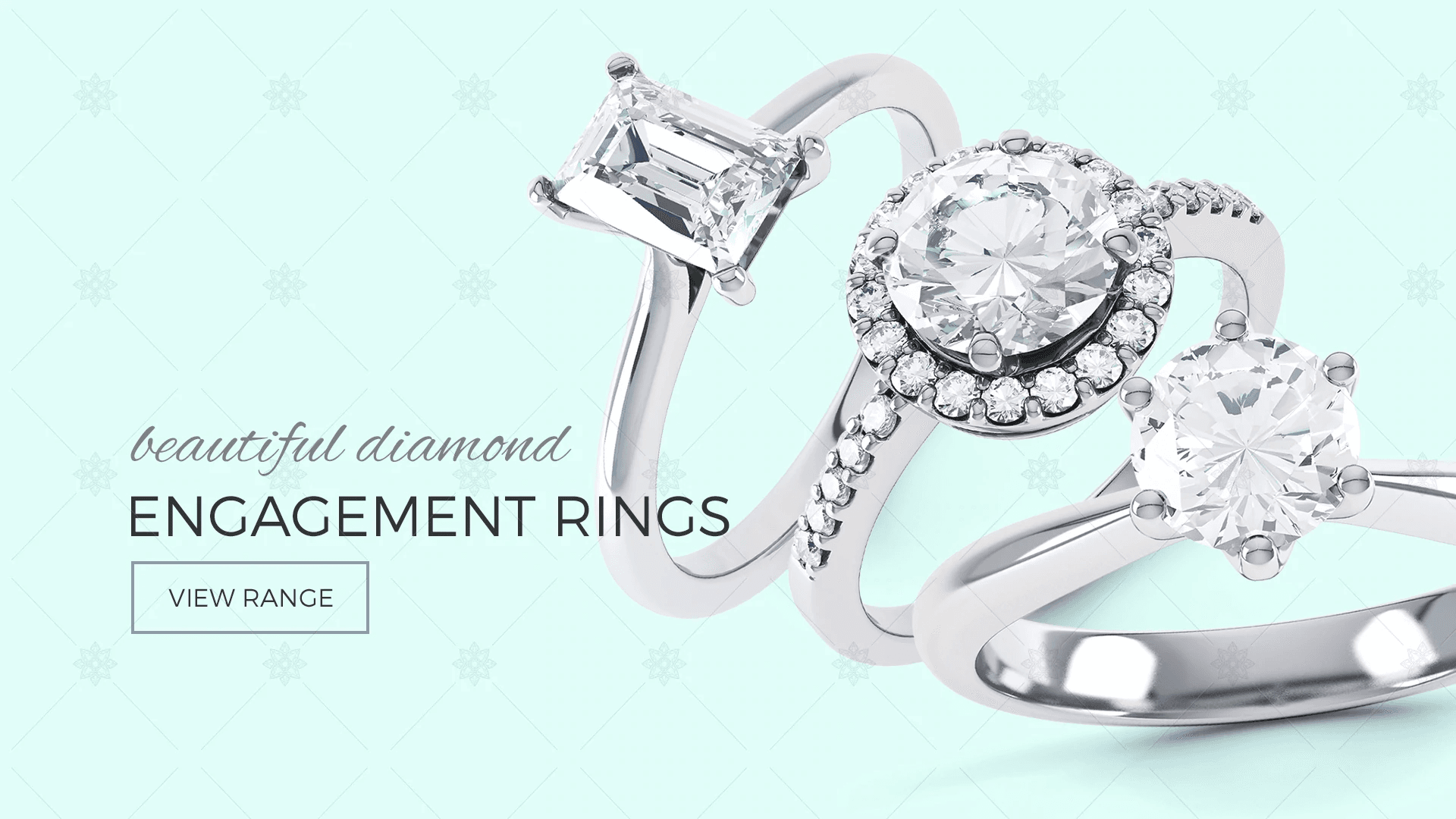
Engagement Ring Guide
Choosing an engagement ring is one of the most significant purchases most people make. It combines emotion, budget, taste, and practicality. This guide gives you the knowledge to choose with confidence.
Explore Styles
Ring Setting Styles
Each setting style creates a distinct character. Understanding the options helps you choose a ring that reflects the wearer perfectly.
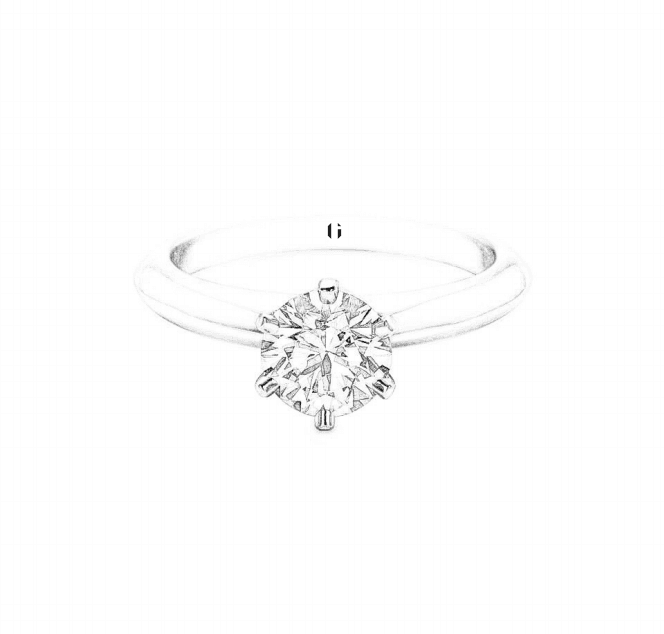
One stone, one statement. The solitaire is the purest expression of the diamond — timeless and endlessly elegant.
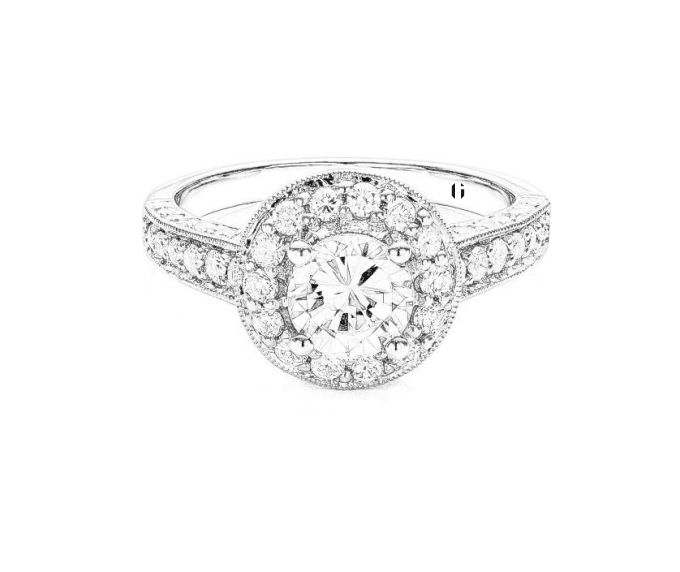
A frame of smaller diamonds surrounds the centre stone — maximising visual impact and adding brilliance.
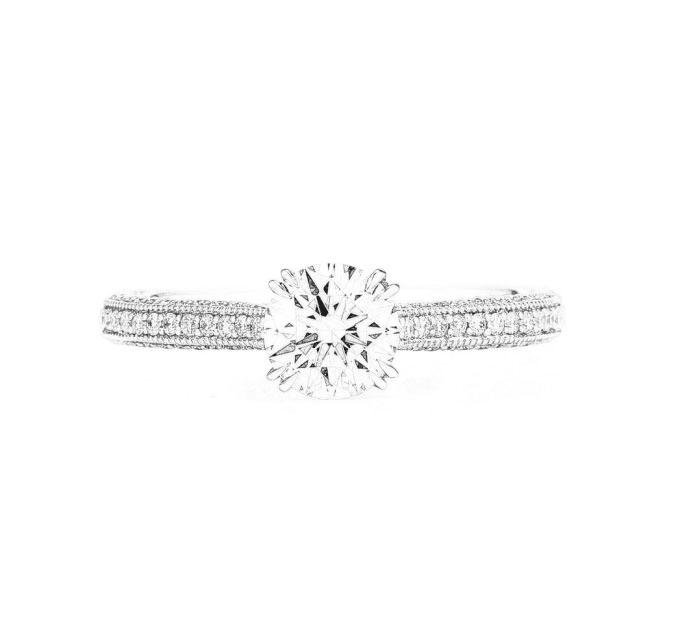
Flanking stones add presence and width without competing with the centre. Baguettes, trapezoids, or rounds.
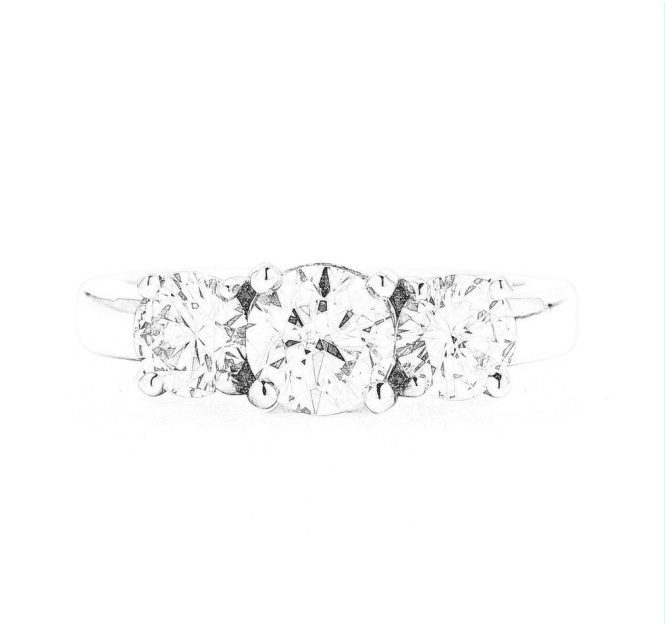
Past, present, and future. Three stones carry symbolic weight and create a beautifully balanced silhouette.

Milgrain, filigree, and intricate detailing — inspired by Art Deco and Edwardian craftsmanship.
Understanding Structure
Head Styles & Settings
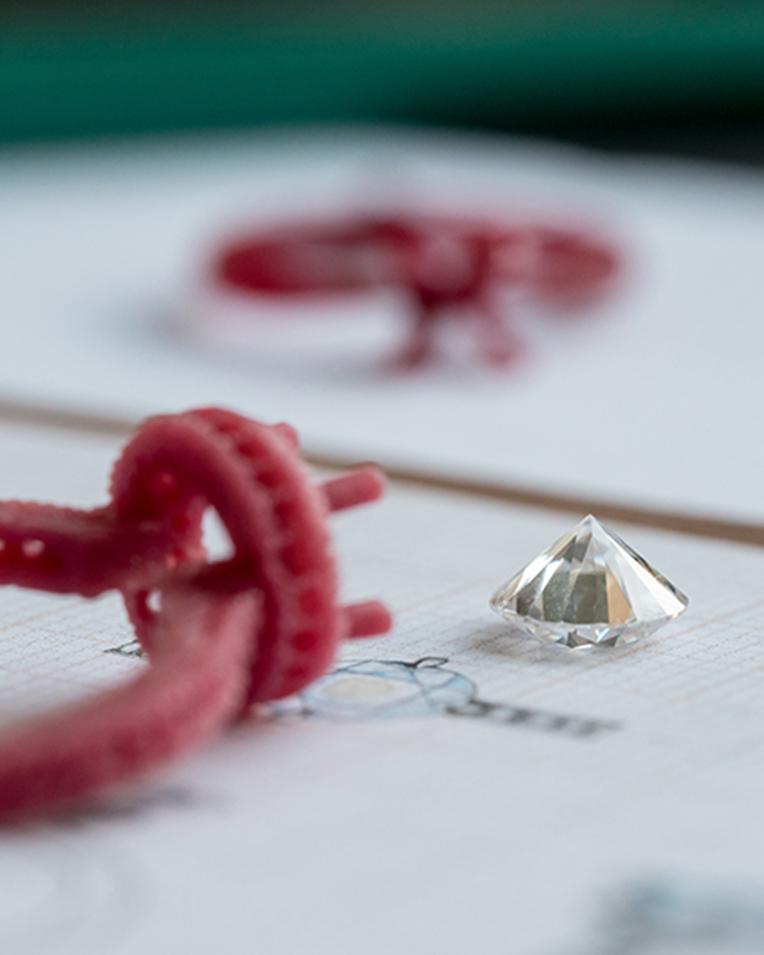
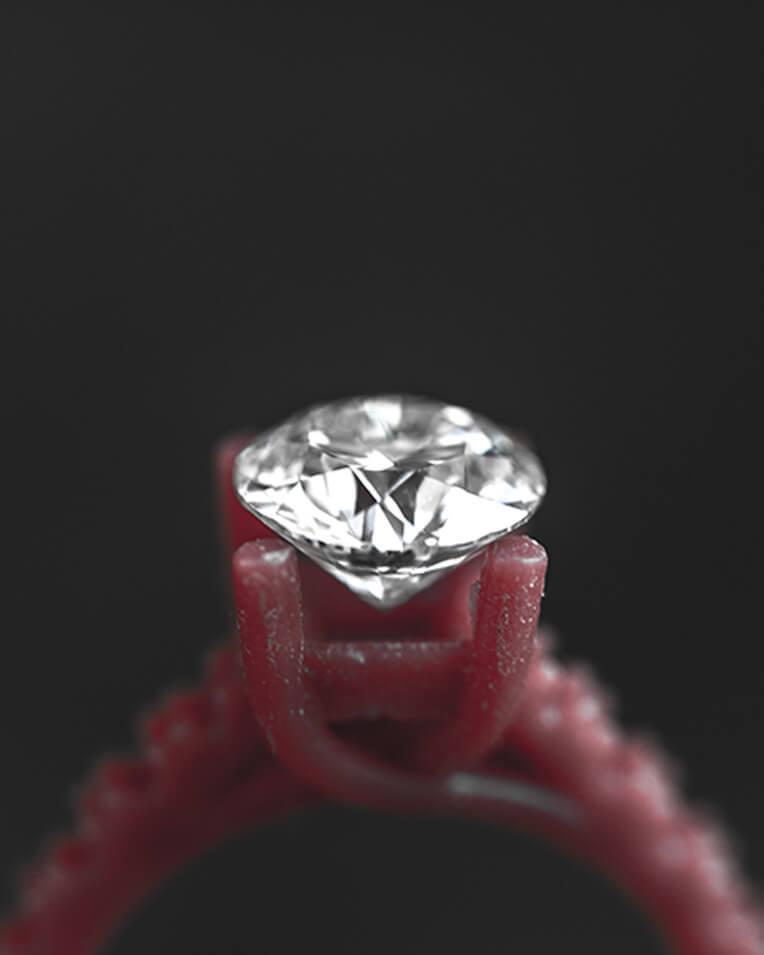
The head — or crown — of the ring determines how the centre stone sits. A four-prong setting reveals more of the diamond; a six-prong offers additional security. Bezel settings wrap the stone in metal for a sleek, contemporary look.
The choice of head style influences how light enters the stone, how much of the diamond is visible, and the overall profile of the ring on the hand.
Profiles & Comfort
Ring Profiles
A ring profile refers to the cross-sectional shape of the band. Court profiles have a rounded interior for comfort; flat profiles offer a modern, architectural feel. D-shaped profiles combine a domed exterior with a flat interior.
Width matters too — narrower bands elongate the finger and suit smaller stones; wider bands make a bolder statement and complement larger settings.
Essential Knowledge
What to Know Before You Buy
Choosing a Ring Style
Solitaire, halo, three-stone, cluster — each style says something different. The solitaire is timeless; the halo maximises visual impact; the three-stone carries symbolic weight.
Setting Types
Claw, bezel, pave, channel — the setting secures the stone and shapes the ring's character. A claw setting maximises light entry; a bezel setting offers contemporary minimalism and protection.
Choosing the Diamond
Shape and quality both matter — but the priority order depends on your partner. For most, cut quality (brilliance) and size perception outweigh technical grades.
Ring Sizing
The average ring size for women in the UK is N. If you're proposing without knowing the size, a jeweller can resize after — most resizes are straightforward within 2-3 sizes.
Setting a Budget
There is no rule. What matters is choosing the best quality stone within your budget — a well-cut smaller diamond will always outperform a poorly cut larger one.
Bespoke Service
The Custom Process
From first consultation to the finished piece — our Hatton Garden team guides you through every step of creating a ring that is uniquely yours.
01
Consultation
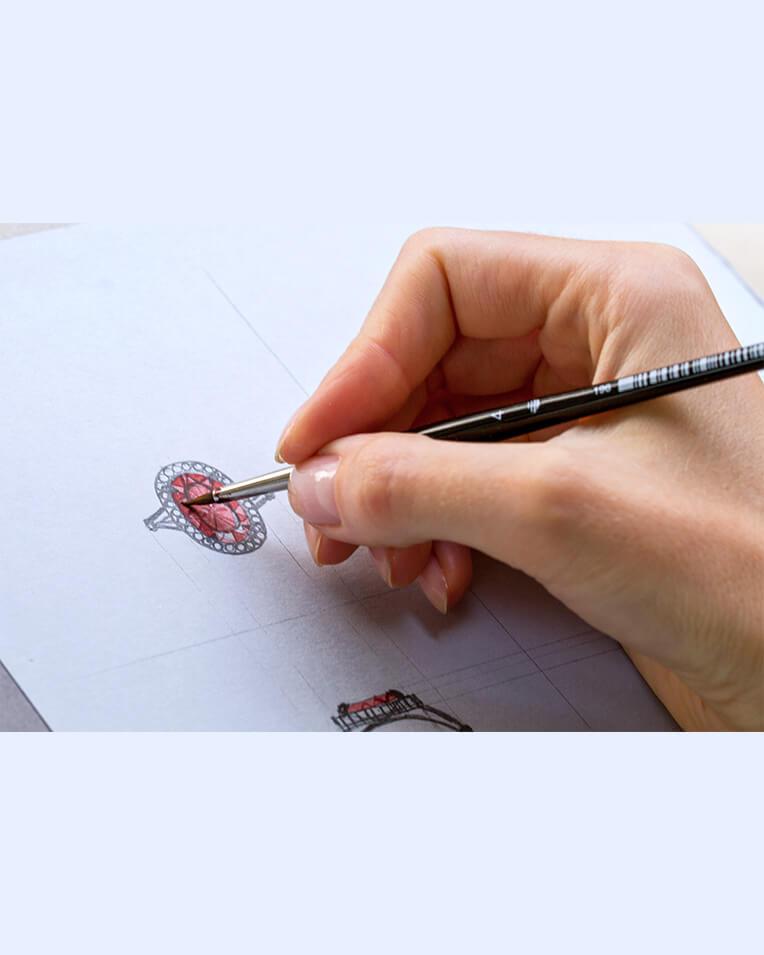
Share your vision with our specialists. We listen, advise, and sketch initial concepts together.
02
Design & Diamond Selection
Choose your centre stone and refine the setting design. See 3D renders before we begin.
03
Craftsmanship
Your ring is handcrafted in our Hatton Garden workshop by master jewellers.
04
The Reveal
Collect your finished piece in-store. Every detail inspected, polished, and presented with care.
Related Guides
Ready to Design Your Ring?
Browse our collection or start with a diamond and build from there.