
MOH London Guidance
Metals Guide
The choice of metal is as personal as the design itself. It affects colour, durability, maintenance, and price.
Precious Metal Education
Understanding Precious Metals
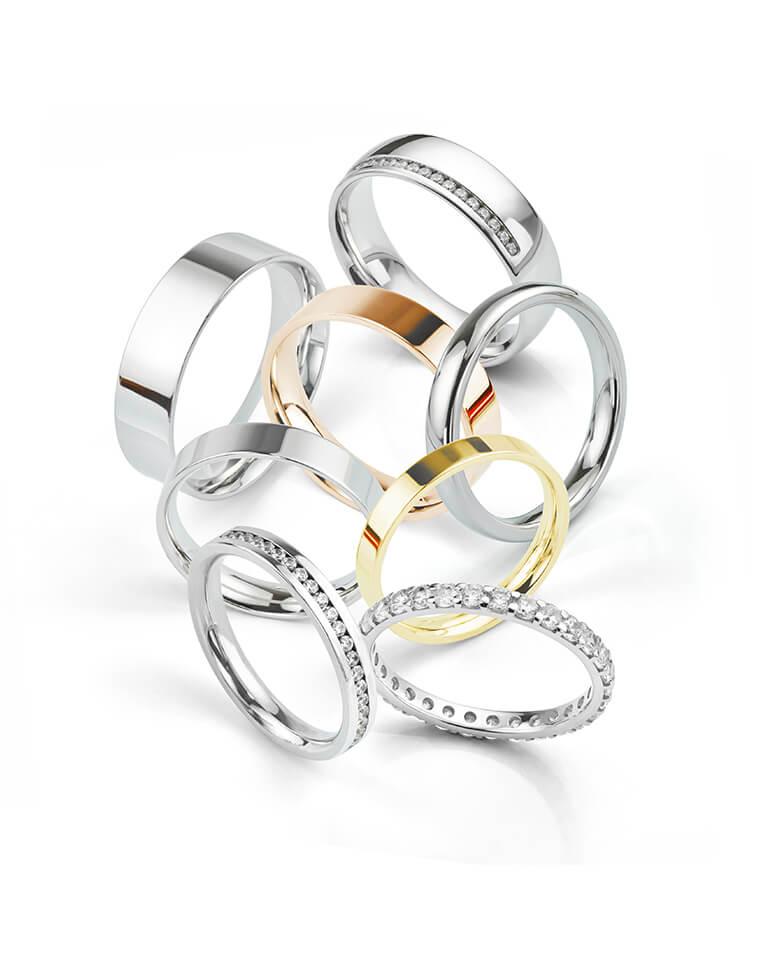
Every piece of MOH London jewellery begins with the selection of a precious metal — the foundation upon which beauty and longevity are built. Each metal carries its own character, its own warmth, and its own story.
Whether you are drawn to the timeless warmth of yellow gold, the contemporary blush of rose gold, the bright brilliance of white gold, or the enduring prestige of platinum — understanding their differences ensures your piece will be treasured for generations.
Our Collection
Four Precious Metals
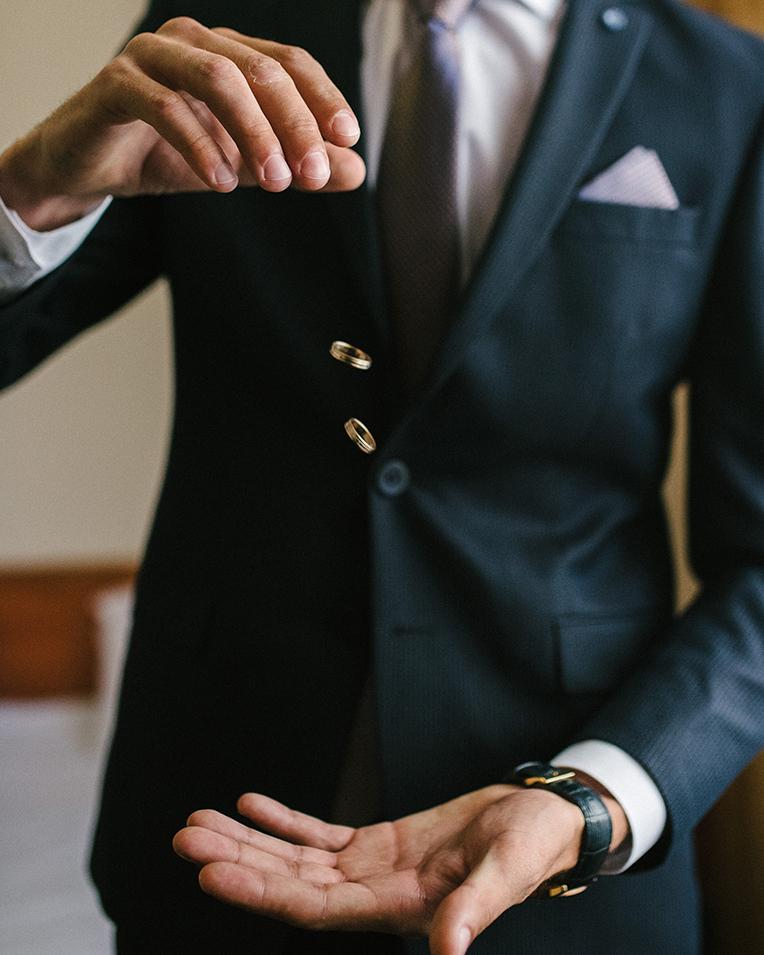
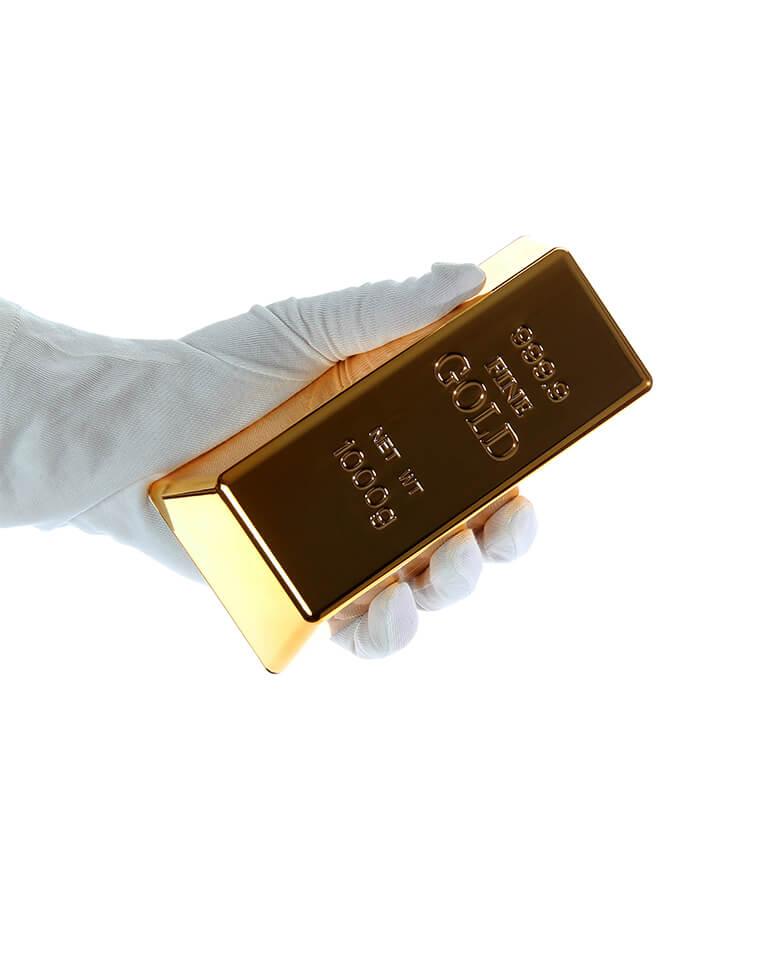
Rich warm yellow
Yellow Gold
18ct (75% Pure Gold)
The most traditional and timeless choice, yellow gold has been prized for millennia. Our 18ct yellow gold is alloyed with silver and copper for the ideal balance of rich colour and durability. It never needs re-plating and retains its warm hue permanently — a lifetime metal that ages with grace.
- Retains colour permanently — no plating required
- Warm, classic tone that flatters all skin types
- Ideal for vintage styles, wedding bands, and heirloom pieces
- Scratches can be polished out without losing metal mass
Durability
Very Good
Maintenance
Low — occasional polish
Ideal For
Classic jewellery, vintage styles, wedding bands
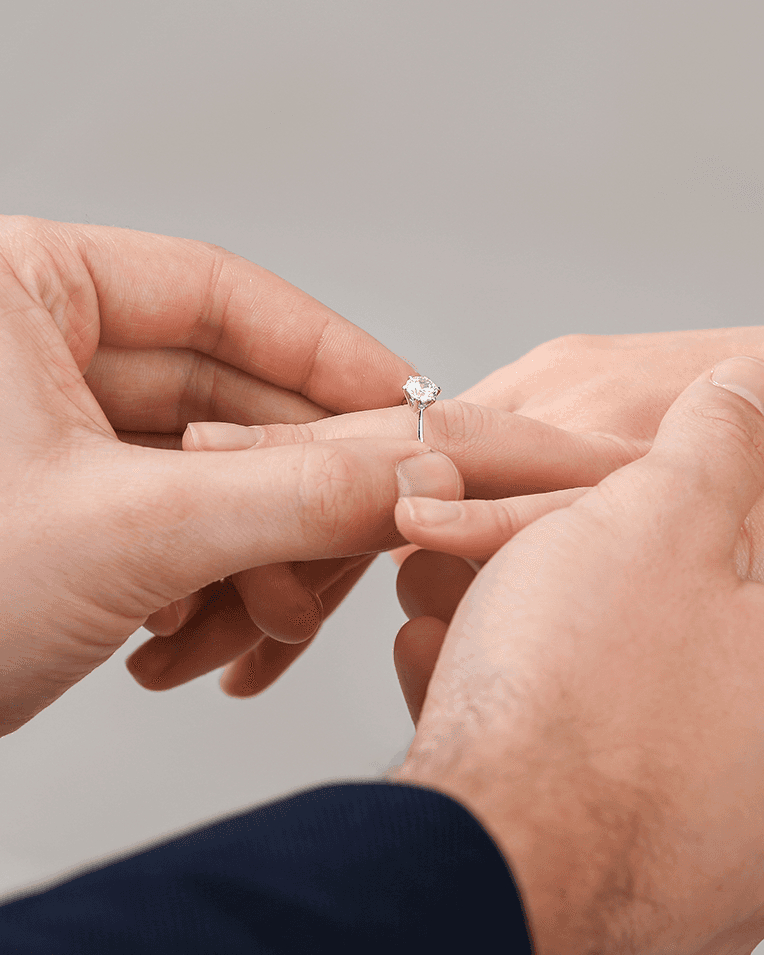
Bright white (rhodium-plated)
White Gold
18ct (75% Pure Gold)
White gold achieves its bright, silvery appearance through an alloy of pure gold with palladium or nickel, finished with a rhodium plating. This gives it a mirror-bright surface that beautifully complements diamonds and coloured gemstones. The rhodium coating does wear over time, requiring periodic re-plating — a simple, inexpensive process.
- Brilliant, reflective white surface enhances diamond sparkle
- Rhodium plating requires renewal every 12–24 months
- More affordable than platinum with a similar appearance
- Excellent choice for pieces worn occasionally
Durability
Very Good
Maintenance
Re-plating every 1–2 years
Ideal For
Pendants, earrings, occasional-wear rings

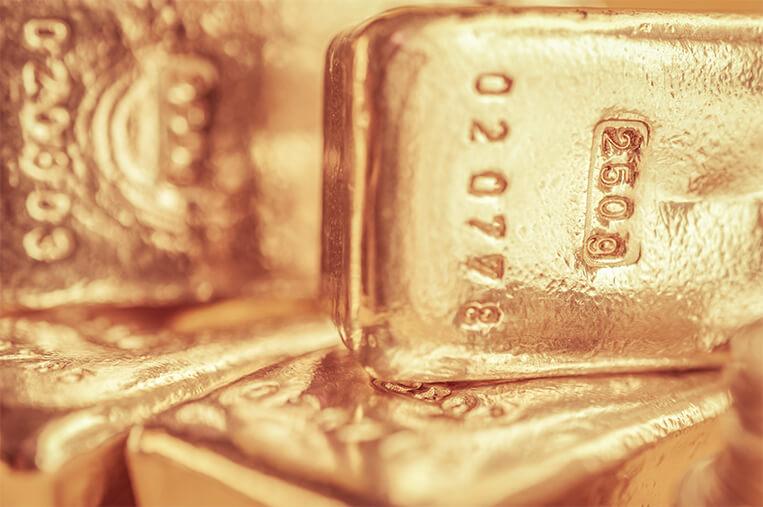
Warm pink-gold
Rose Gold
18ct (75% Pure Gold)
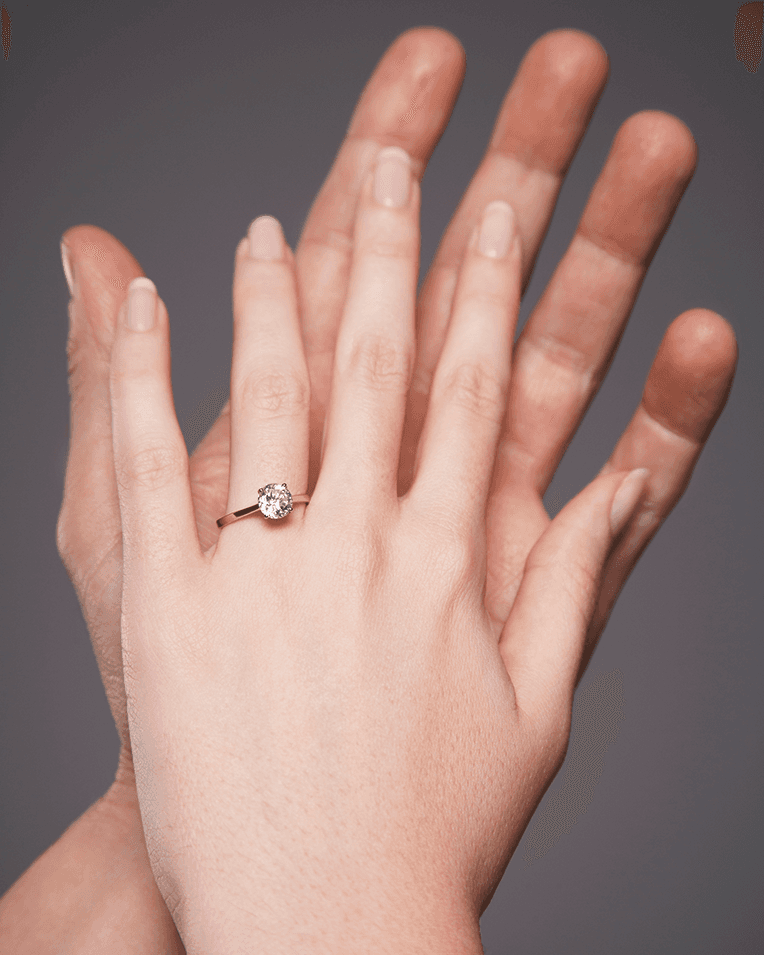
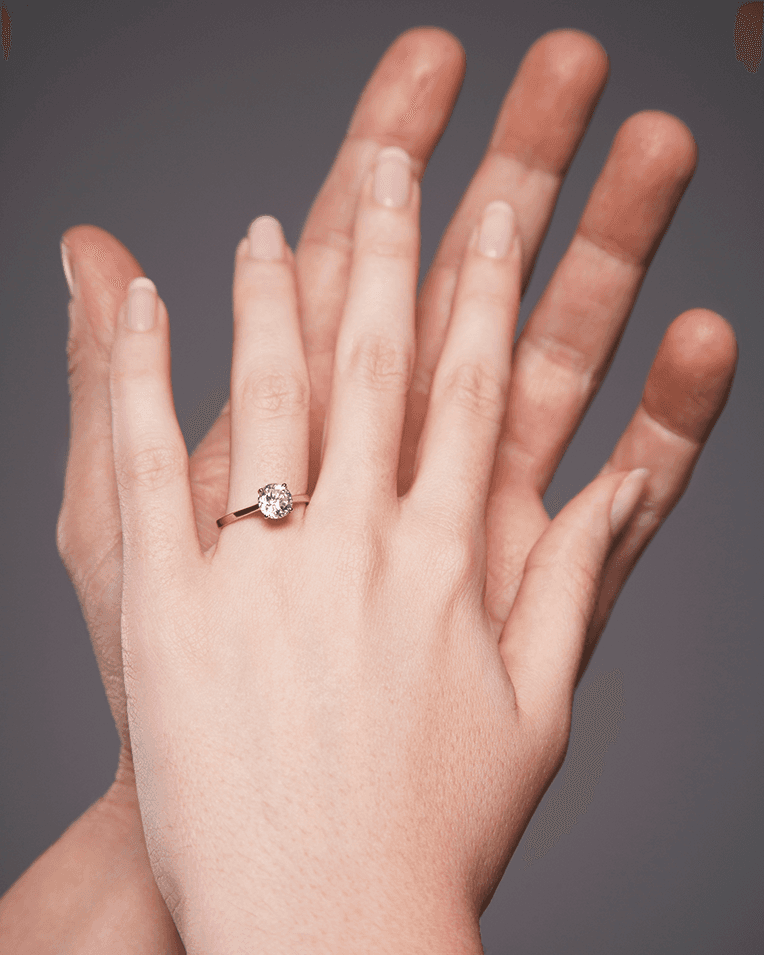
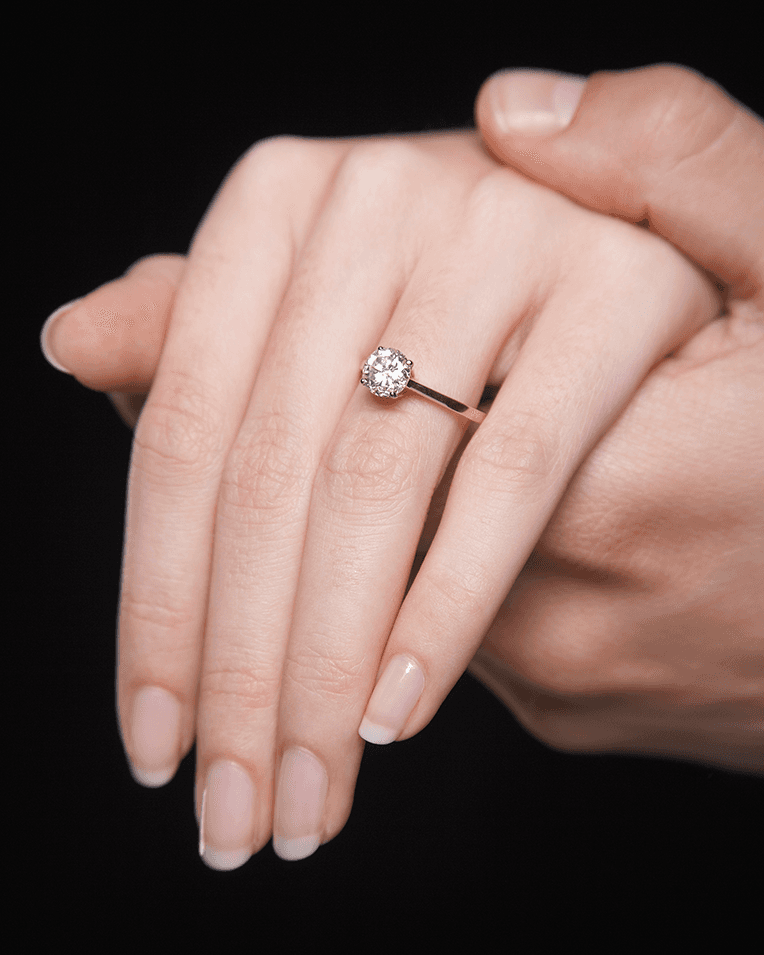
Rose gold owes its romantic blush tone to a higher proportion of copper in the alloy. The result is a metal that is subtly warm, distinctly modern, and surprisingly durable — copper adds structural strength. Rose gold requires no plating and develops a richer patina over time, making each piece uniquely personal.
- Copper alloy adds natural strength and durability
- No plating required — colour is inherent to the alloy
- Develops a warmer, richer tone over time
- Contemporary and romantic — ideal for stacking rings
Durability
Very Good
Maintenance
Low — no plating required
Ideal For
Romantic styles, stacking rings, contemporary designs
Our Recommendation
Cool natural white
Platinum
950 (95% Pure Platinum)
The rarest and most prestigious of all precious metals, platinum is 30 times more scarce than gold. Its natural white lustre never fades or yellows — it requires no plating whatsoever. When platinum scratches, metal displaces rather than sheds, meaning your ring retains its weight and substance over decades. This is why platinum has been the metal of choice for the world's most important diamonds.
- Naturally white — never needs re-plating
- Develops a distinguished satin patina over time
- Displaces rather than loses metal when scratched
- Hypoallergenic — ideal for sensitive skin
Durability
Exceptional
Maintenance
Minimal — polishes easily
Ideal For
Engagement rings, pieces worn daily, investment jewellery
Craftsmanship
Metal Finishing Techniques
The finish of a piece transforms the way light interacts with the metal. At MOH London, every surface is finished by hand — a process that cannot be replicated by machine.
High Polish — A mirror-bright surface achieved through progressive buffing. The most reflective finish, creating maximum light return.
Satin / Brushed — Fine parallel lines create a soft, muted lustre. Understated and contemporary, ideal for wedding bands.
Matte — A completely non-reflective surface with a velvety texture. Bold and modern.
Hammered — Hand-textured dimples catch light at varying angles, creating an organic, artisan feel.

Authenticity
Hallmarking
Every piece of MOH London jewellery is independently hallmarked at the London Assay Office — a legal guarantee of precious metal purity that has been applied in Goldsmiths’ Hall since 1327.
A hallmark consists of four marks: the sponsor’s mark (MOH London), the fineness mark (metal purity), the assay office mark (the leopard’s head for London), and the date letter.
This independent verification means every MOH London piece is certified to contain exactly the precious metal content we promise — no exceptions, no approximations.
The Most Common Question
White Gold vs Platinum
They may look similar in the showroom, but these two metals behave very differently over time. Here is an honest, side-by-side comparison.
Natural Colour
Platinum
Cool white — never yellows
White Gold
Grey-white (appears white with rhodium plating)
Purity
Platinum
950 (95% pure)
White Gold
750 (75% pure, alloyed)
Plating Required
Platinum
Never
White Gold
Every 12–24 months
Density & Weight
Platinum
Heavier — substantial feel on the hand
White Gold
Lighter — some prefer the reduced weight
Scratch Behaviour
Platinum
Metal displaces — no material lost
White Gold
Metal sheds — microscopic loss over time
Hypoallergenic
Platinum
Yes — suitable for all skin types
White Gold
Nickel alloys may cause irritation
Price
Platinum
Higher initial cost
White Gold
Lower initial cost, ongoing re-plating expense
Best For
Platinum
Daily-wear engagement rings, investment pieces
White Gold
Occasional-wear, earrings, pendants
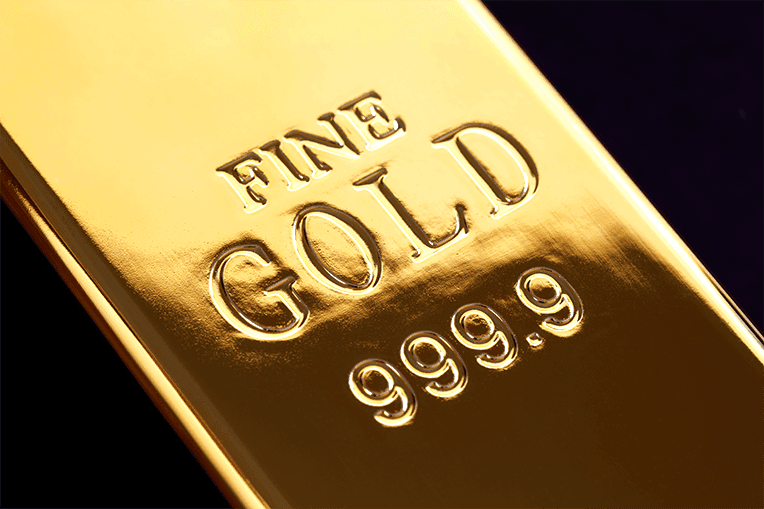
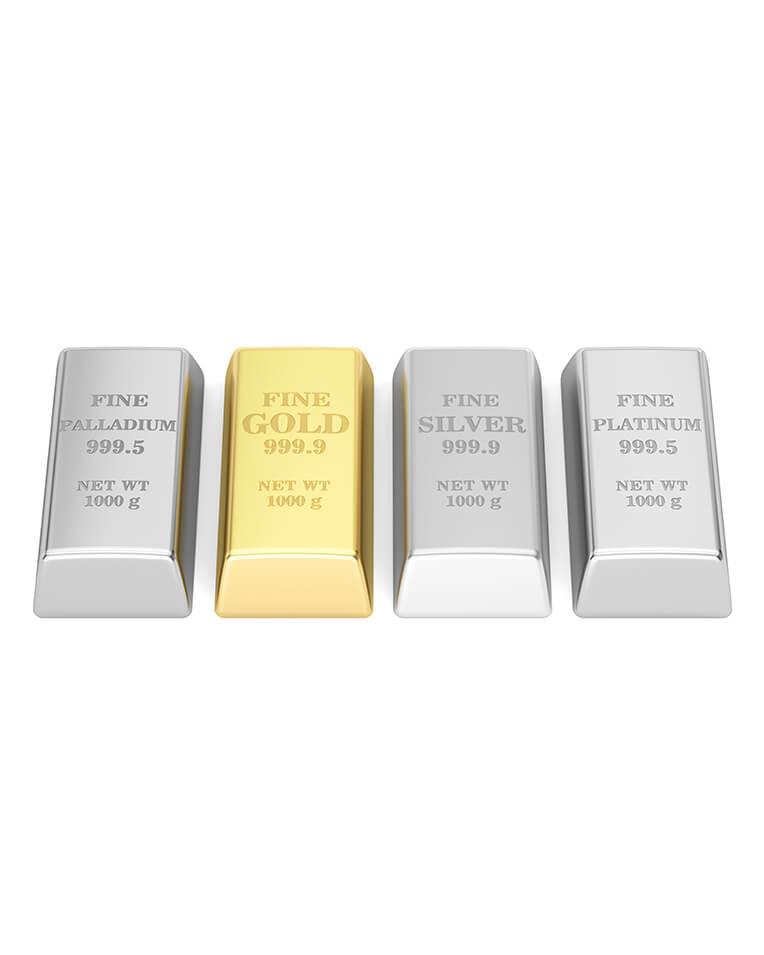
Pure Gold
24 carat — the elemental starting point from which all gold alloys are crafted. Too soft for jewellery in its pure form, it is blended with precisely measured metals to create 18ct gold in yellow, white, and rose.
Quick Reference
A side-by-side summary of all four precious metals
| Metal | Purity | Durability | Maintenance | Ideal For |
|---|---|---|---|---|
Yellow Gold | 18ct (75% Pure Gold) | Very Good | Low — occasional polish | Classic jewellery, vintage styles, wedding bands |
White Gold | 18ct (75% Pure Gold) | Very Good | Re-plating every 1–2 years | Pendants, earrings, occasional-wear rings |
Rose Gold | 18ct (75% Pure Gold) | Very Good | Low — no plating required | Romantic styles, stacking rings, contemporary designs |
Platinum | 950 (95% Pure Platinum) | Exceptional | Minimal — polishes easily | Engagement rings, pieces worn daily, investment jewellery |
Personal Guidance
Still Unsure Which Metal to Choose?
Our specialists can advise based on your lifestyle, skin tone, and budget. Visit our Hatton Garden showroom or book a virtual consultation.